
Portflio restructure - adding many large-cap growth names
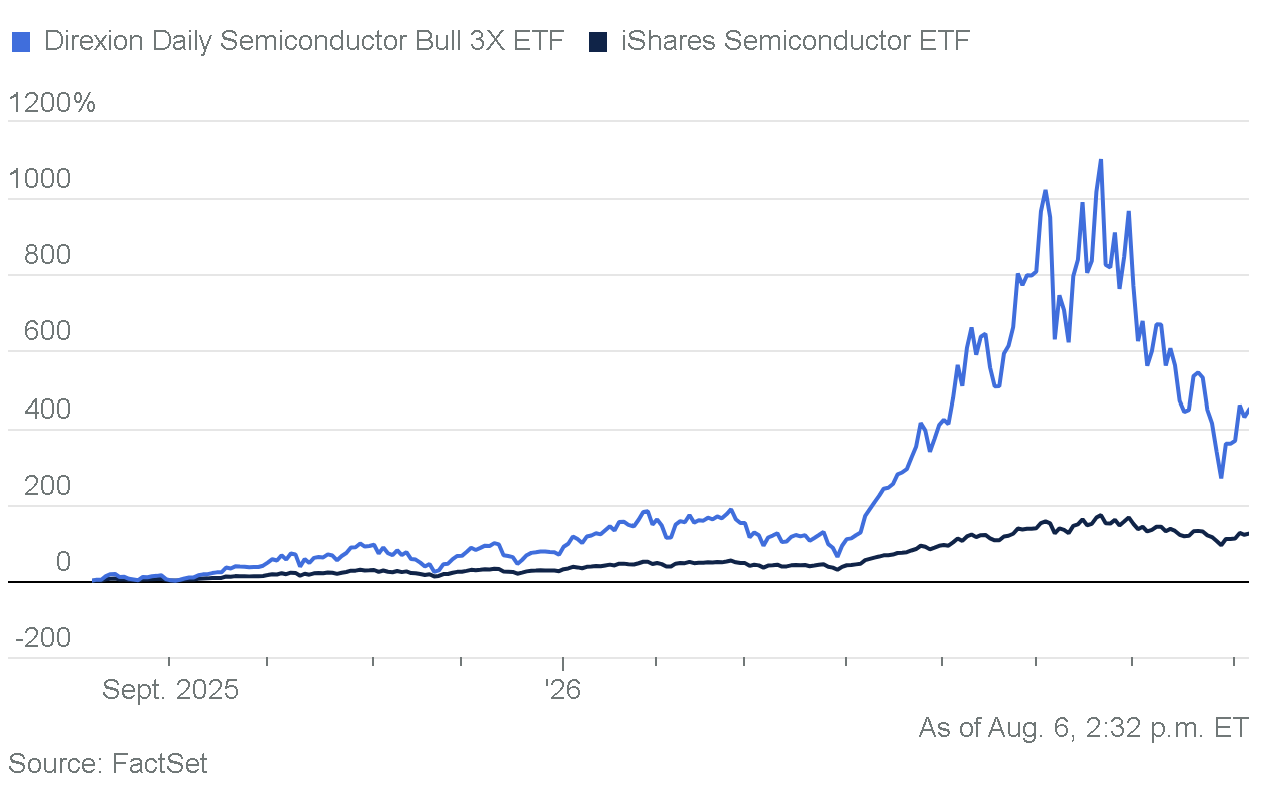
On 8/6/26, we trimmed numerous positions at what we believe to be favorable exit points, which includes our core position of MSFT being cut from 20% weight to ~7%. We entered numerous new positions, which included AI growth stocks due to the belief that such positions are modestly undervalued, at least compared to their multiples in the past six months.
Our portfolio now includes a 4.00% stake in Micron, a 4.50% stake in Broadcom, a 4.90% stake in Eli Lilly, 3.50% in Tesla, and a 3.50% increase in our stake in GOOGL to 8.10%. AMD and Lam Research Corporation were also added at roughly ~2% stake each. ADBE, SHW, MSFT and NOW were all trimmed to free up capital, and were all trimmed due to favorable exit points, based on historical valuation multiples.
From a portfolio that started from a software-heavy play based on our investment thesis that AI will not meaningfully disrupt the software space, AI is becoming a main theme within our portfolio. This increases our portfolio’s correlation to the AI-sentiment story, a risk that we acknowledge but buffer with our holdings of non-AI stocks, which make up roughly one third of the portfolio ((LLY, GE, SPGI, WST, LNG, SCHW, SHW). We acknowledge the increased cyclical nature that comes with holding these hardware / AI positions.
AI CapEx is showing no signs of slowing down, and the market’s mixed reactions to earnings based on CapEx show that holding fab equipment, memory, and custom silicon / networking stocks is the strongest growth opportunity for the future. However, if that growth stalls or slows down, that would be detrimental for certain positions within the portfolio. Hyperscaler spending will be monitored heavily.
MSFT, AMZN, META and GOOGL were all companies that reported earnings, and while they had similar themes on CapEx, the market had very different reactions on the earnings. MSFT and AMZN rocketed up, while META and GOOGL were punished in the short term; their stocks have rebounded to pre-earnings levels, while AMZN and MSFT have maintained their post-earnings levels. The market has seemed to agree that AI CapEx is going to be a part of mega-cap companies for the future, and is willing to take on the risk associated with those expenditures. In some ways the market is discriminating against companies based on their spending; rewarding capex with visible monetization, punishing capex without a visible return.
This gives us confidence to invest in the AI-buildout story at a valuation that we believe is more reasonable compared to 3 months ago. AI stocks have survived the majority of the hype, and we believe that while the stocks will remain volatile, the levels of implied volatility (derived from options contracts) are now lower, and the long-term investment theses for these stocks are centered in the ongoing need for AI-Capex. We believe that AI stocks still trade at a premium – however it’s a premium that the market is willingly accepting. The premium that AI stocks trade at currently is much more acceptable for us than the levels they traded at in the past.
The biggest and strongest growth opportunities now sit in AI stocks, whether you like the detraction from valuation fundamentals or not. As of writing, the fund is up 12% over the inception period (since May 1, 2026) compared to the S&P’s return of 5%.
Slackline Capital research is published for portfolio transparency. Published August 6, 2026. Not investment advice.